
Starting a home remodeling project can be exciting, but it’s easy to make costly mistakes. Missteps like underestimating budgets, skipping permits, or choosing cheap materials can lead to delays and frustration. Knowing what to avoid helps you save time, money, and energy while keeping your project on track. Whether you’re doing it yourself or hiring professionals, avoiding these common errors can make all the difference.
Budgeting is often seen as the less glamorous side of Home Remodeling, but it’s undeniably one of the most crucial steps. Without a clear and realistic financial plan, your project can quickly spiral out of control, leaving you stressed and strapped for cash.

Home remodeling is full of surprises, and unfortunately, most of them cost extra money. Many homeowners underestimate the price of materials, labor, or both. What’s worse, unexpected expenses, such as permits, structural repairs, or even unforeseen plumbing issues, can catch you off guard.
Here are some common hidden costs you may encounter:
It’s wise to include a contingency fund in your budget—typically 10–20% of the overall project costs. This acts as a financial cushion for when things don’t go as planned. Think of it as an umbrella for a rainy day—you hope you won’t need it, but you’ll be glad you have it when the storm rolls in.
It’s easy to get swept up in the excitement of luxurious upgrades or trendy designs. But without prioritization, your costs can escalate quickly. So, how do you stay focused on what truly matters?
Start by creating two lists:
Ask yourself a few key questions:
By addressing your needs first, you create a solid foundation for your project. Once those are covered, you can use any remaining budget for the items on your “wants” list. Think of it like building a house: you wouldn’t start with the decorations before the walls are up, right?
Proper planning brings clarity and helps ensure there are no regrets when the project is done.
When embarking on a home remodeling project, it’s tempting to adopt a “clean slate” mentality. However, ignoring your home’s original style can lead to disjointed results that feel out of place. A home’s architecture serves as its backbone—the one feature that should guide all design decisions. Skipping this step can turn your remodel into a mismatched collection of trends rather than a cohesive, timeless space.
Before choosing designs, take the time to study your home’s existing architecture. Whether it’s a Craftsman, Colonial, or Mid-Century Modern home, its style should act as the foundation for your remodeling choices. Adding features that clash with this structure can make the remodel feel forced or unnatural.
How can you ensure your renovation complements your home’s original style? Start with these tips:
Think of your house like a well-tailored suit. Adjustments or contemporary touches are fine, but the core structure still needs to fit right.
It’s easy to fall for Pinterest boards and glossy magazine spreads showcasing the latest trends. But while trends come and go, your Home Remodeling will stay the same. Overly trendy designs may look fabulous today but can feel outdated in just a few years. Worse yet, they may clash with the timeless qualities of your Home Remodeling.
Here’s why avoiding invasive designs matters:
Want a Home Remodeling that strikes a balance? Use trendy elements sparingly, like accents or smaller decor pieces, and focus on timeless updates. Think of trends like accessories: they complement but should never overpower the outfit.

By blending current trends with respect for your home’s original style, you create a space that feels both modern and enduring. A thoughtful remodel doesn’t overwrite—it enhances what’s already there.
Diving into a remodeling project without a strong plan is like setting sail without a map—things can quickly veer off course. Planning and design are the backbone of any successful renovation, helping to prevent costly mistakes and wasted time. Overlooking these steps can lead to structural issues, mismatched aesthetics, or unexpected expenses that derail your vision.

Knowing when to hire an architect or interior designer is crucial. If your project involves significant structural changes—such as removing walls, adding new rooms, or relocating plumbing—you’ll need an architect to create safe and functional designs. Architects specialize in addressing the structural aspects of your home, ensuring compliance with codes and regulations.
For aesthetic updates or space optimization, an interior designer is your go-to. They excel in refining layouts, choosing materials, and creating a cohesive look. Not sure if you need both? Here’s a quick guide:
Investing in professionals may seem like an added cost, but their expertise can save you expensive corrections later. Think of them as your co-pilots, ensuring your remodel stays on track.
Starting construction without blueprints is like baking without a recipe—you’re guessing your way through. Blueprints serve as a roadmap, detailing every aspect of your renovation down to the inch. This planning stage connects your vision with practical execution.
Here’s why detailed blueprints matter:
Think of blueprints as problem-solvers. By addressing issues early, you avoid headaches down the road. These documents are also a great tool for keeping contractors accountable, ensuring everything proceeds according to plan.
Incorporating detailed planning and design stages may take time upfront, but the payoff in efficiency and results is well worth the effort.
One of the most common mistakes in home remodeling is underestimating how long the project will take. It’s easy to imagine a smooth-sailing process where everything runs on schedule, but real-life renovations can be unpredictable. From surprise repairs to scheduling conflicts, your project timeline can stretch longer than expected. Planning for potential setbacks is key to reducing frustration and staying on track.

Several factors can unexpectedly delay a remodeling project, even when everything seems perfectly planned. Consider these common issues:
When planning your timeline, factor in these possibilities to set realistic expectations. Think of these uncertainties as speed bumps—not roadblocks—but be prepared to adjust your schedule as needed.
Breaking your project into smaller, achievable milestones can help you track progress and maintain momentum. Here’s how to set effective milestones:
For example, instead of seeing the entire kitchen renovation as a single task, divide it into stages like removing old cabinets, installing new plumbing, and painting. When each mini-goal is reached, it creates a sense of achievement and keeps the project moving forward. Think of it like running a marathon—you focus on each mile, not just the finish line.
Small adjustments along the way can prevent timeline surprises. Setting measurable goals ensures smoother navigation through what can otherwise feel like an overwhelming process.
When starting a home remodeling project, it’s tempting to handle every task yourself. Saving money, learning new skills, and having full control can make the DIY route appealing. But tackling too much can lead to stress, mistakes, and even unsafe conditions. Before diving in headfirst, let’s consider two key aspects—knowing your limits and understanding safety risks.

Not all Home Remodeling tasks are created equal. While painting walls or assembling furniture may be manageable, rewiring your electrical system or refinishing floors requires specific expertise. Overestimating your skillset can lead to unfinished work, wasted materials, or costly repairs later on.
Ask yourself:
If the answer to any of these leans toward hesitation, it’s likely time to bring in a professional. For example, plumbing and electrical mistakes can be both expensive and hazardous, and they often require inspections to meet code regulations.
Hiring a pro isn’t a loss—it’s an investment in quality and peace of mind. Think of it this way: you wouldn’t perform surgery on yourself, so why risk similar consequences with your home?
DIY projects can quickly become dangerous if safety isn’t your top priority. Improper use of tools, lack of protective gear, and insufficient planning can turn a simple task into an accident waiting to happen.
Common risks include:
For added protection:
Sometimes, knowing when to call in trained professionals isn’t just smart—it’s lifesaving. Remember, shortcuts on safety can cost more than hiring an expert in the long run. Every unfinished project or risky DIY attempt adds up—not just in dollars but in potential harm.
Avoid taking on too much at once. DIY can be an enriching experience, but it’s best when balanced with realism and caution.
It’s easy to overlook permits in the excitement of starting a remodeling project, but cutting corners here can lead to major setbacks. Whether you’re adding a room, upgrading your electrical system, or even demolishing walls, permits exist for a reason: to ensure your work is safe, legal, and up to code. Ignoring this step can create avoidable headaches.
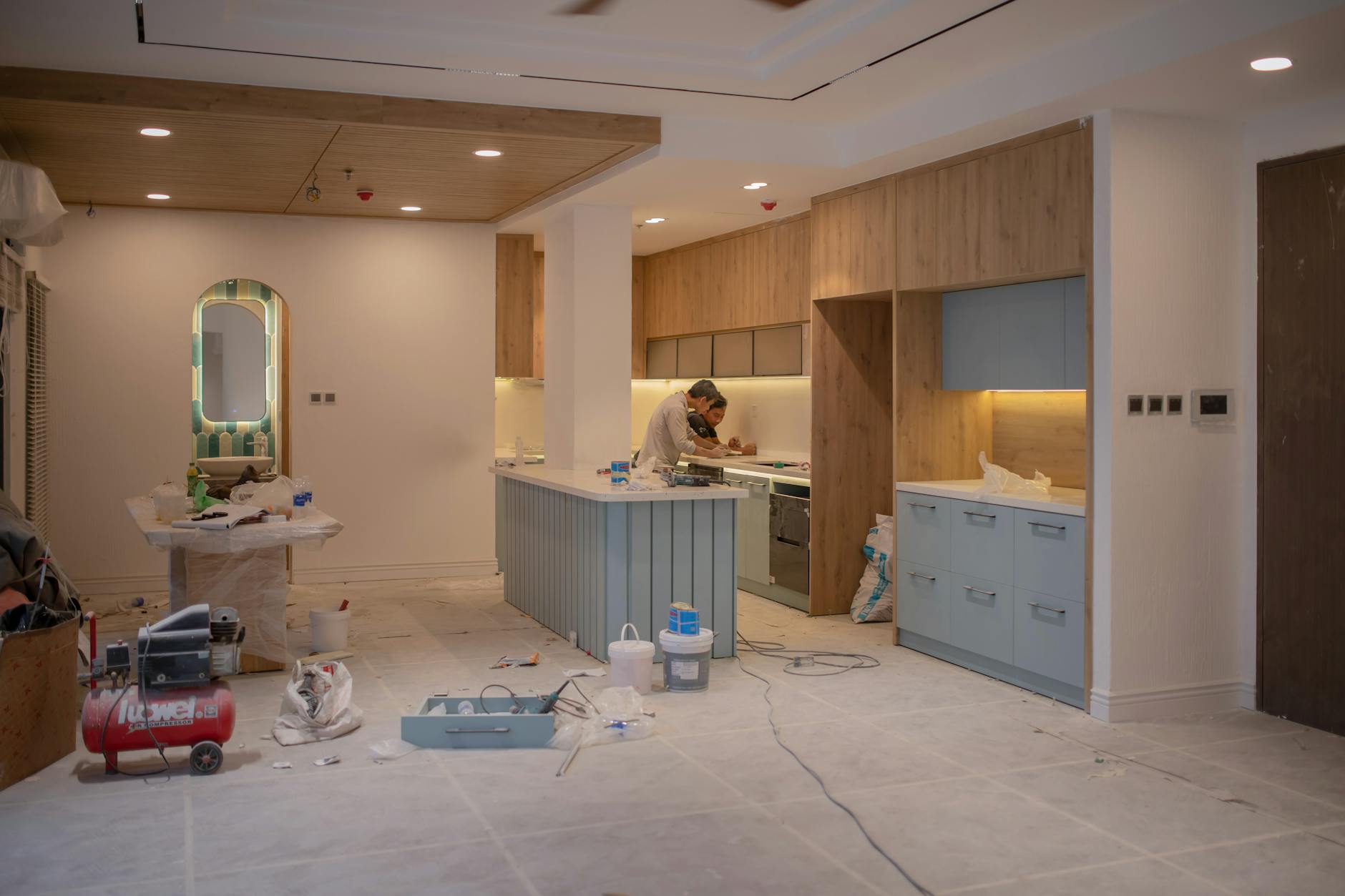
Not all projects need a permit, but many do, including structural changes, plumbing upgrades, or even larger-scale painting. So how do you know what’s required? Your local building department should be your first stop.
Here’s how to navigate and comply with local codes:
Local regulations are often specific to your zip code, so don’t rely on general advice. Think of them as a rulebook ensuring you’re playing fair—and safe.
Choosing to skip permits might feel like it saves time, but the risks far outweigh the benefits. Ignoring this step can land you in a heap of legal and financial trouble.
Here’s what could happen:
Think of skipping permits like speeding through traffic lights—sometimes it works out, but when it doesn’t, the consequences can be catastrophic. Complying with the rules protects more than your wallet; it ensures your family’s safety and the integrity of your home.
Avoiding common remodeling mistakes can save you money, time, and regret. Start with a strong plan, stay realistic about your budget, and respect your home’s architecture. Always prioritize safety and know when to call in pros instead of DIYing everything.
A successful remodel isn’t just about results—it’s about the process being smooth and efficient. If you have questions or tips to share, add them below. Let’s make your next home project a win!